MN7181-Peoples and Organization-
Importance of business ethics in the workplace
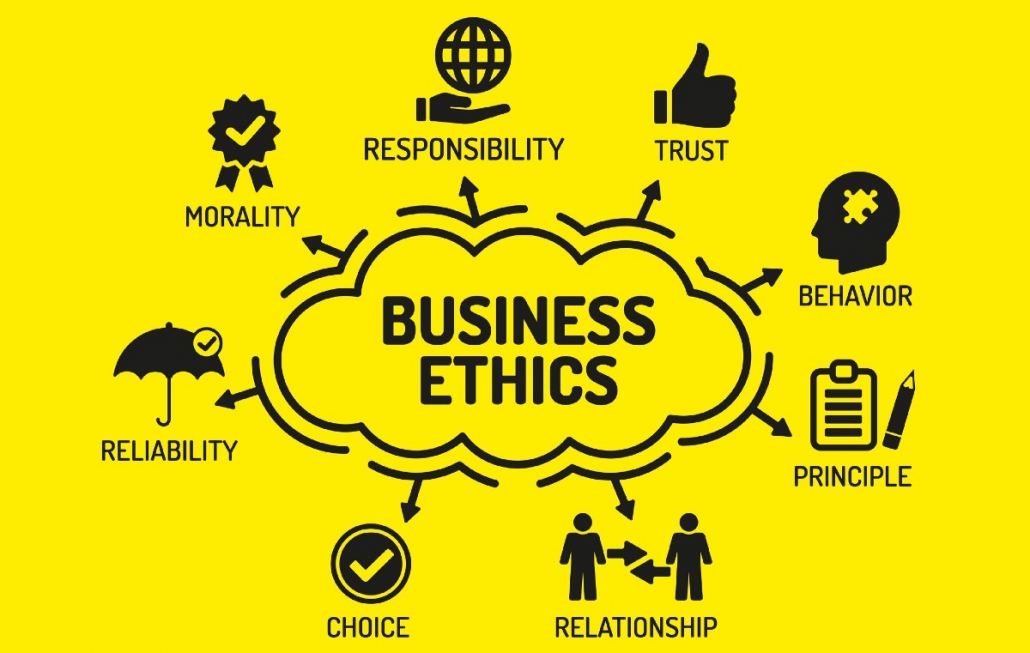
What is Business Ethics?
"Ethics" is a set of principles used to determine what is "right" when it comes to the conduct or behavior of an individual. This includes individuals who are acting on behalf of a business entity. (Middlebrook, 2020)
Business Ethics Types-
Trustworthiness
Achieving trustworthiness typically involves being transparent and honest in all actions and communications. Being trustworthy can have a positive impact both internally and externally.
Respect
Showing respect for employees and customers involves following through on all promises -- and providing sincere apologies and appropriate compensation if anything falls through. Showing a lack of respect will deter customers from engaging with a business and lower a business' reputation. It will also do significant damage to employee morale and increase turnover.
Fairness
Treating customers and employees with a sense of fairness and justice is a key type of ethics. Manipulative behaviors aren't just unethical, but they are also unhelpful.
Caring
There are human beings that consume goods or services from the business, and then there are human beings that work to produce those goods or services. Being open to their struggles and coming to the table with solutions will show empathy -- a valuable tool for any business to utilize. (White, 2019)
Benefits of Managing business ethics in Work Place
1. Attention to business ethics has substantially improved society.
2. Ethics programs help maintain a moral course in turbulent times.
3. Ethics programs cultivate strong teamwork and productivity.
4. Ethics programs support employee growth and meaning.
5. Ethics programs are an insurance policy — they help ensure that policies are legal.
6. Ethics programs help avoid criminal acts “of omission” and can lower fines.
7. Ethics programs help manage values associated with quality management, strategic
planning and diversity management — this benefit needs far more attention.
8. Ethics programs promote a strong public image.
9. Overall benefits of ethics programs.
10. Last – and most — formal attention to ethics in the workplace is the right thing to do.
(Mcnamara, 2010)
Global Context
Some of the most common ethical issues in international business include outsourcing, working standards and conditions, workplace diversity and equal opportunity, child labor, trust and integrity, supervisory oversight, human rights, religion, the political arena, the environment, bribery and corruption. Businesses trading internationally are expected to fully comply with federal and state safety regulations, environmental laws, fiscal and monetary reporting statutes and civil rights laws.
(Choronicle, 2016)
Conclusions
Proper business ethics practice beneficial to the business' employees and operations. Attracting top talent is significantly easier for ethical businesses. Employees not only appreciate a socially aware employer, but will also perceive them as the kind of business that will act in the best interest of their employees. This produces more dedicated employees and can also reduce recruitment costs.
References
De George, R.T., 2011. Business ethics. Pearson Education India.
Drucker, P.F., 1981. What is business ethics?. The Public Interest, 63, p.18.
Ambrose, M.L. and Schminke, M., 1999. Sex differences in business ethics: The importance of perceptions. Journal of Managerial Issues, pp.454-474.


In non-management positions, managers often tend to value stronger ethical cultures than workers. It is your responsibility to integrate and manage a clear ethical culture within your organization as a boss. The ethics of the workplace are essential to your organization and provide various benefits.
ReplyDeletegood work